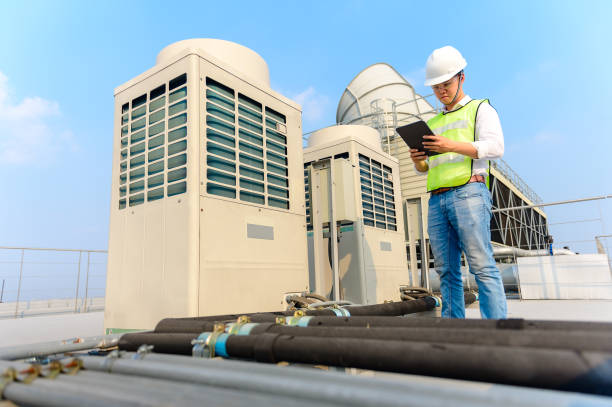
A hissing noise coming from your air conditioning unit can be alarming and may indicate an underlying issue that requires prompt attention. Understanding the potential causes of this sound and knowing when to seek professional help can protect your AC system from further damage and ensure it operates efficiently.
Common Reasons for Hissing Noises in Your AC Unit
- A refrigerant leak is one of the most common reasons your air conditioner may produce a hissing noise. This occurs when the pressurized refrigerant escapes through a hole or crack in the coil, line, or other components.
- The compressor is responsible for circulating refrigerant throughout the system under pressure. If there is excessive pressure buildup inside the compressor, it can cause a noticeable hissing or whistling sound.
- This issue can pose safety risks and lead to more significant system failures if left unaddressed.
- Hissing sounds may also result from leaks in your ductwork. These occur when gaps or cracks in ducts allow air to escape during operation.
- Symptoms of duct leaks include uneven cooling across rooms and decreased system efficiency.
- Some hissing noises are linked to specific internal components like expansion valves or reversing valves malfunctioning as they regulate refrigerant flow.
Why an HVAC Contractor Is Essential for Diagnosis
When dealing with unusual noises like hissing from your air conditioner, consulting a qualified HVAC contractor is crucial.
- Using leak detection methods (e. g. , dye testing or electronic sniffers) to find refrigerant leaks.
- Measuring pressure levels in the compressor to determine if they exceed safe operating limits.
- Conducting thorough inspections of duct systems to identify leakage points.
Steps an HVAC Contractor Can Take to Fix Hissing Problems
- The technician will seal any identified leaks before replenishing lost refrigerant to restore optimal performance levels.
| Issue | Potential Consequence | How HVAC Contractors Address It |
| Refrigerant Leak | Reduced cooling efficiency | Seal leaks; replenish refrigerants |
| High Compressor Pressure | System breakdown risk | Adjust pressure; replace damaged parts |
- For high-pressure problems, contractors may repair existing compressors or replace faulty units entirely.
- Using advanced sealing techniques (e. g. , mastic sealants or foil tapes), contractors will repair gaps in ducts that contribute to energy loss.
- Technicians will inspect internal components such as expansion valves for proper functioning and recalibrate them if required.
Benefits of Prompt Professional Assistance
- Enhanced cooling performance
- Prolonged equipment lifespan
- Reduced energy consumption
Understanding Hissing Noises in Your AC System and When to Call for Orlando AC Repair
Hearing a hissing noise from your air conditioning (AC) system can be concerning. This unusual sound often signals an underlying issue that requires attention. By identifying the root cause and seeking professional assistance, you can prevent further damage and maintain your system’s performance.
Refrigerant is a critical component in cooling your home, and if it escapes due to cracks or faulty connections, it creates a high-pressure sound similar to hissing.
- Reduced cooling efficiency
- Ice forming on coils
- Increase in energy bills
- Locate the source of the leak using specialized tools like electronic detectors or UV dye.
- Seal or repair the affected area.
- Recharge the system with the correct amount of refrigerant to restore efficiency.
The compressor, responsible for circulating refrigerant under pressure, can also produce hissing sounds if valves are worn out or damaged. High-pressure buildup within this component might lead to persistent noises.
- Inspecting valves for wear or damage.
- Replacing malfunctioning parts.
- Testing pressure levels to ensure proper operation.
Hissing sounds may originate from leaking air ducts where conditioned air escapes before reaching its destination. These leaks not only produce noise but also compromise energy efficiency.
- Uneven temperature distribution in rooms
- Higher-than-normal energy consumption
- Conducting thorough duct inspections.
- Sealing gaps with high-quality materials such as mastic sealant or foil-backed tape.
- Recommending duct replacement if extensive damage exists.
| Problem | Cause | Solution |
| Refrigerant leaks | Cracked tubes or loose fittings | Detect leaks, seal damages, recharge refrigerant |
| Compressor malfunction | Valve wear/damage | Replace defective parts |
| Air duct issues | Gaps or poor sealing | Inspect and repair ducts with proper sealing techniques |
Preventive Maintenance Tips
- Schedule regular maintenance checks with qualified HVAC contractors.
- Replace air filters every one to three months for optimal airflow.
- Keep outdoor units clean by removing debris such as leaves and dirt.
- Monitor your energy bills for sudden spikes that may indicate hidden problems.
By addressing these issues promptly with the help of experienced HVAC professionals, you ensure your AC system operates efficiently while avoiding costly repairs down the line.
How Orlando FL Air Conditioning Repair Can Resolve Air Duct Leaks and Improve Efficiency
Air duct leaks are a common but often overlooked issue in heating, ventilation, and air conditioning (HVAC) systems. Even small leaks in your ductwork can lead to significant energy losses, reduced indoor comfort, and higher utility bills. An experienced HVAC contractor plays a critical role in identifying and resolving these problems while ensuring your system operates efficiently. Here’s what you need to know about air duct leaks and how professionals address them.
Signs of Air Duct Leaks
- Uneven Heating or Cooling: Some rooms may feel significantly warmer or cooler than others.
- Higher Energy Bills: A sudden spike in energy costs without increased usage could point to inefficiencies caused by leaks.
- Poor Airflow: You may notice weaker airflow coming from vents despite the system running as usual.
- Dust Accumulation: Excessive dust around vents or throughout your home could suggest a leak is pulling in contaminants from unconditioned spaces like attics or basements.
- Noisy System Operation: Hissing, whistling, or rattling noises from ducts can indicate holes or gaps in the system.
How an HVAC Contractor Resolves Air Duct Leaks
- Contractors use advanced diagnostic tools such as duct leakage testers, smoke pencils, or thermal imaging cameras to locate leaks accurately.
- They assess both visible areas of your ducts and hidden sections within walls or ceilings.
- For small holes or cracks, contractors typically use specialized sealants like mastic or aluminum foil tape designed for ductwork applications.
- If extensive damage is found, sections of the duct may need repair or replacement.
- Adding insulation around ducts located in unconditioned spaces (such as crawlspaces or attics) helps prevent further energy loss.
- Insulated ducts not only enhance efficiency but also help maintain consistent temperatures throughout your home.
- After sealing the ducts, contractors ensure that airflow is balanced across all vents for maximum performance.
- They may also evaluate other components of your HVAC system—like filters and dampers—to ensure everything is operating cohesively.
Benefits of Addressing Duct Leaks with Professional Help
| Benefit | Explanation |
| Improved Efficiency | Sealed ducts prevent energy waste by delivering conditioned air directly where it’s needed. |
| Lower Energy Costs | By reducing energy losses, you’ll notice decreased heating and cooling bills over time. |
| Enhanced Comfort | Balanced airflow ensures consistent temperatures across all rooms in your home. |
| Better Indoor Air Quality | Properly sealed systems reduce dust infiltration and allergens entering through leaks. |
Preventative Maintenance for Long-Term Efficiency
- Schedule regular inspections with a trusted HVAC contractor at least once a year.
- Replace filters on time to prevent unnecessary strain on the system.
- Ensure that all vents remain unobstructed by furniture or debris.
- Discuss options for ongoing maintenance plans with professionals who can proactively monitor your system’s health.
By partnering with an experienced HVAC contractor to address air duct leaks promptly, you’ll enjoy better performance from your heating and cooling system while extending its lifespan significantly—all while keeping your home comfortable year-round.

Expert Tips for Detecting Refrigerant Leaks with Orlando AC Service Professionals
Refrigerant leaks in an air conditioning system can lead to decreased efficiency, higher energy bills, and eventual system failure. Detecting these leaks early is critical for maintaining your system’s performance and ensuring the comfort of your home. A professional HVAC contractor is well-equipped to locate and address refrigerant leaks effectively, preventing further damage to your AC unit. Below, we’ll explore how you can identify refrigerant leaks and why hiring an HVAC contractor is essential.
Signs of a Refrigerant Leak
- Insufficient Cooling: Your unit may struggle to cool your home or maintain consistent temperatures.
- Higher Energy Bills: A leaking refrigerant system has to work harder to achieve the desired temperature, leading to increased energy consumption.
- Hissing or Bubbling Noises: Hissing sounds often indicate escaping refrigerant gas, while bubbling noises could suggest the presence of air in the lines.
- Frozen Evaporator Coil: Low refrigerant levels can cause the evaporator coil inside your unit to freeze.
- Longer Cooling Cycles: If it takes longer than usual for your air conditioner to cool your space, it could be due to insufficient pressure caused by a leak.
The Role of an HVAC Contractor in Detecting Leaks
While some signs may alert you to a potential problem, only professional tools and expertise can properly pinpoint and address leaks.
- Conducting System Inspections
Using specialized equipment such as electronic leak detectors or ultraviolet (UV) dye testing, contractors thoroughly inspect your AC components for leaks. - Measuring Refrigerant Levels
Professionals measure the current refrigerant charge against manufacturer specifications. If levels are low, they will investigate further for potential leakage points. - Visual Inspection for Corrosion or Damage
Certain parts of the AC system, like coils or connections, may corrode over time. An expert will check these components for visible signs of wear that might cause leakage. - Pressure Testing
Contractors perform pressure tests on the system by introducing nitrogen gas into the lines at a specific pressure level. Any drop in pressure indicates a possible leak location.
Benefits of Hiring a Professional
Addressing refrigerant issues on your own is not recommended due to safety concerns and environmental regulations regarding handling refrigerants like R-22 or R-410A.
| Benefit | Description |
| Expertise | Contractors have training in diagnosing complex refrigeration issues quickly |
| Tools & Equipment | Professionals utilize advanced tools unavailable for DIY repairs |
| Long-Term Cost Savings | Early intervention prevents more expensive breakdowns |
| Warranty Preservation | Proper servicing by licensed technicians helps maintain manufacturer warranties |
Steps You Can Take Before Calling an Expert
- Check if filters are clean and replace them if necessary.
- Confirm that vents are open and unobstructed throughout your home.
- Monitor cooling performance over time and note any unusual changes.
- Listen carefully for hissing/bubbling sounds near indoor/outdoor units.
By identifying potential issues early and consulting with an experienced HVAC professional promptly, you’ll not only extend the life of your cooling system but also ensure optimal efficiency year-round without unexpected disruptions.
Understanding the Importance of HVAC System Replacement to Improve Home Comfort and Efficiency
Replacing an HVAC system is a significant investment, but it can bring numerous long-term benefits for homeowners. Over time, even the most well-maintained systems lose their efficiency and struggle to keep up with heating and cooling demands. Here’s why replacing your HVAC system is essential for enhanced comfort and energy efficiency.
Signs It’s Time to Replace Your HVAC System
Knowing when to replace your HVAC system helps prevent costly repairs and ensures your home stays comfortable year-round.
- Age of the System: Most HVAC systems have a lifespan of 10–15 years. If your unit is approaching or surpassing this range, consider replacement.
- Frequent Repairs: Are you constantly calling for repairs? Recurring repair costs can quickly add up, making a new system a more cost-effective choice.
- Inconsistent Temperatures: Uneven heating or cooling throughout your home could indicate that your unit isn’t operating efficiently anymore.
- Rising Energy Bills: An old or inefficient system struggles to maintain performance, often leading to higher energy consumption and inflated bills.
- Excessive Noise: Loud or unusual noises from your system can signal mechanical problems that may justify upgrading.
Benefits of Replacing Your HVAC System
- Improved Energy Efficiency
Modern systems are designed with advanced technologies that use less energy while delivering optimal performance. Look for units with high SEER (Seasonal Energy Efficiency Ratio) ratings for maximum savings. - Enhanced Indoor Air Quality
Newer systems often come equipped with features like better air filtration and humidity control, ensuring cleaner, healthier air inside your home. - Consistent Comfort Levels
A modern HVAC system maintains consistent temperatures across every room in your house, eliminating cold spots or uneven airflow. - Environmental Impact Reduction
Eco-friendly systems reduce greenhouse gas emissions by consuming less energy, aligning with sustainability goals. - Lower Maintenance Costs
A brand-new unit requires fewer repairs and maintenance visits compared to an aging system that’s beginning to wear out.
Comparing Costs: Repair vs Replacement
| Factors | Repair Costs | Replacement Costs |
| Initial Expense | Lower upfront cost | Higher upfront cost |
| Long-Term Investment | May lead to frequent recurring expenses | Saves on energy bills over time |
| Warranty Coverage | Limited or no warranty | Comes with manufacturer warranties |
| Efficiency Gains | Minimal improvement | Significant upgrade in efficiency |
If repair expenses exceed 50% of the cost of a new unit, replacement is generally recommended.
Choosing the Right Replacement System
- The size of your home (calculated using load assessments)
- Energy efficiency ratings (such as SEER for ACs or AFUE for furnaces)
- Compatibility with existing ductwork
- Budget constraints
- Brand reputation and warranties offered
Consulting an experienced HVAC contractor ensures you get expert guidance tailored to meet your home’s unique needs.
Understanding when and why to replace an outdated HVAC system plays a crucial role in improving indoor comfort while reducing energy costs. By upgrading to modern solutions designed for efficiency, homeowners can enjoy consistent temperatures, healthier indoor air quality, and peace of mind over time.
- What to Expect from an Orlando AC Service During and After an Air Conditioner Replacement
- Identifying the Ten Most Common Air Conditioning Problems and How an HVAC Company Orlando, FL Can Help
- Top Signs You Need Orlando AC Repair to Avoid Costly Breakdowns
- Finding the Best HVAC Company Orlando, FL for Home Comfort Systems
- How an HVAC Company Orlando, FL Can Help Fix a Hissing Air Conditioning Unit
- Understanding the Benefits of HVAC Replacement and Orlando AC Repair for Your Home
- How an HVAC Company Orlando, FL Can Keep Your Home Comfortable
- The Benefits of Hiring a Professional HVAC Company Orlando, FL for Accurate Diagnostics and Long-Term Solutions