
As temperatures rise, your air conditioning system becomes an essential part of maintaining indoor comfort. However, no system lasts forever. Recognizing the early signs that your air conditioner needs replacement can save you from costly breakdowns and ensure that your home stays cool when it matters most. Below are key indicators it might be time to upgrade your AC unit.
Frequent breakdowns are usually a sign that the system is nearing the end of its lifespan.
Consider:
– How often your unit requires professional servicing
A general rule is that if repair costs exceed 50% of the cost of a new unit, investing in a replacement is more practical.
When utility bills consistently increase without corresponding changes in usage, it may be due to an inefficient or aging air conditioning system. Over time, wear and tear reduce the efficiency of components, causing them to consume more energy than necessary.
Energy Efficiency Considerations:
| Age of System | Typical SEER Rating (Efficiency) | Likely Energy Performance |
|———————|———————————–|—————————————|
| Under 10 years old | 13-16 SEER | Good efficiency if properly maintained |
| Over 10 years old | Below modern standards | Reduced energy savings |
Switching to a modern high-efficiency model can lower cooling costs significantly.
Inconsistent indoor temperatures—one room feeling chillier while another remains warm—often signal an issue with your AC unit’s capacity or ductwork. While this could sometimes be resolved with repair or maintenance, older systems might struggle to provide consistent airflow even when functioning properly.
Look for:
– Hot or cold spots around the house
– Weak airflow from vents
Replacing an undersized or outdated system ensures uniform cooling throughout your home while improving overall comfort levels.
The typical lifespan of an AC unit is around 10–15 years, though this can vary depending on use and maintenance history. If your air conditioner has crossed this threshold and exhibits performance issues, replacing it may make more sense than continuing repairs.
Signs Your Unit is Aging:
– Unusual noises such as grinding or rattling
– Difficulty maintaining desired temperatures despite proper settings
Modern systems also come equipped with advanced technology like smart thermostats and eco-friendly refrigerants, making them far superior replacements for older units.
Units relying on R-22 refrigerant are not only outdated but also costly to maintain because R-22 has been phased out due to environmental regulations. If your system still uses this refrigerant type, transitioning to a newer model with environmentally friendly alternatives like R-410A is both cost-effective and future-proof.
Recognizing these common signs early allows homeowners to act proactively rather than reactively when their AC fails unexpectedly during peak summer heat. Prioritizing regular inspections by licensed HVAC contractors can further extend system life while helping identify whether repair or replacement is most suitable for your situation.
Signs You Need Orlando FL Air Conditioning Repair for Your System
When your air conditioning system begins to malfunction, it can significantly impact your comfort and energy efficiency. Recognizing the signs that indicate your AC requires professional attention can help you address issues early, saving time and money in the long term.
One of the clearest signs of a problem with your air conditioning system is when certain rooms in your home feel significantly warmer or cooler than others.
- Blocked or damaged ductwork
- A failing compressor
- Incorrect thermostat settings
- Poor installation or outdated equipment
If airflow and cooling are inconsistent throughout your home, it might be time to consult an HVAC professional to diagnose the issue.
Your air conditioner is designed to operate quietly, so any unusual sounds could point to internal problems.
- Grinding: Often caused by motor issues
- Hissing: A potential refrigerant leak
- Banging or Clanking: Loose or broken components inside the unit
- Buzzing: Electrical problems such as faulty wiring
These noises should not be ignored, as they can indicate serious mechanical failures that may worsen over time.
- A malfunctioning thermostat
- Dirty filters restricting airflow
- An oversized or undersized system for your space
Short cycling can result in unnecessary wear and tear on components, reducing efficiency and shortening the lifespan of your system.
A sudden spike in energy bills is often an indicator that your air conditioning system is working harder than necessary due to inefficiency or mechanical issues.
| Possible Cause | Effect on Energy Consumption |
| Dirty condenser coils | Reduces heat transfer efficiency |
| Refrigerant leaks | Forces the unit to overcompensate |
| Aging components | Decreased performance over time |
Scheduling routine maintenance with a licensed HVAC contractor can help identify these issues early.
- Refrigerant levels are low due to a leak.
- The compressor has failed.
- The thermostat settings are incorrect or malfunctioning.
A professional technician can inspect these components and recommend appropriate solutions.
Why Addressing Issues Early Matters
Delaying repairs for your air conditioning system can lead to more severe problems such as complete breakdowns, higher repair costs, and decreased energy efficiency. Regular inspections by certified HVAC contractors not only help prevent emergencies but also ensure optimal system performance during peak seasons.
By watching for these signs early on and taking prompt action, you can maintain consistent comfort levels in your home while minimizing long-term expenses associated with extensive repairs or replacements.
Identifying Unusual HVAC Noises and When to Call for Orlando AC Service
Unusual noises coming from your HVAC system can often be an early warning sign of underlying issues. Ignoring these noises might lead to expensive repairs or even a complete system breakdown. By identifying the sounds and understanding their potential causes, you can address problems promptly and keep your heating and cooling systems functioning efficiently.
Common HVAC Noises and Their Likely Causes
- Cause: Loose or broken parts within the blower assembly or motor.
- Impact: Can lead to more extensive damage if left unaddressed.
- Solution: Turn off the system immediately and have a professional inspect it.
- Cause: Worn-out fan belts, malfunctioning motor bearings, or lack of lubrication in moving parts.
- Impact: Prolonged squealing may strain the system and reduce efficiency.
- Solution: Replace belts, lubricate components, or service the motor with expert help.
- Cause: Loose screws, bolts, or debris inside the ductwork or vents.
- Impact: Can escalate into performance inefficiencies over time.
- Solution: Tighten loose components and clear obstructions from the system.
- Cause: Refrigerant leaks, air escaping from ducts, or pressure imbalances in your system.
- Impact: Reduced cooling efficiency and potential environmental hazards due to refrigerant loss.
- Solution: Seek professional assistance to identify leaks and restore refrigerant levels safely.
- Cause: Electrical issues such as loose wiring or a failing capacitor in your outdoor unit.
- Impact: Risk of electrical failure that could result in high repair costs if left unchecked.
- Solution: Have an HVAC technician examine electrical components.
Why You Shouldn’t Ignore These Sounds
| Noise Type | Potential Consequence | Recommended Action |
| Banging/Clanking | Extensive internal damage | Immediate inspection by a contractor |
| Squealing | Reduced component lifespan | Replace belts/lubricate parts |
| Hissing | Refrigerant depletion; higher energy bills | Professional evaluation |
| Buzzing | Electrical hazards; abrupt unit breakdown | Technician assessment |
Addressing these issues early can save you money on repairs while extending the life of your HVAC equipment.
When to Call an HVAC Professional
While some maintenance tasks like tightening screws or cleaning vents can be handled by homeowners, diagnosing complex noise-related issues should always be left to qualified technicians.
- Persistently loud noises despite minor troubleshooting.
- Sudden spikes in energy bills without changes in usage habits.
- Inconsistent heating/cooling performance alongside unusual sounds.
- Visible signs of wear on external components like fan blades or belts.
By addressing these symptoms promptly with expert oversight, you ensure safe operation while preventing disruptive breakdowns during peak seasons.
Regular maintenance checks combined with timely responses to unusual sounds can maintain optimal functionality for years to come—ensuring comfort and peace of mind in every season without unnecessary stress over costly repairs later down the line.
How Poor Airflow and Inconsistent Indoor Temperatures Point to HVAC Issues
Proper airflow and consistent indoor temperatures are essential for maintaining a comfortable and energy-efficient home. When these elements are compromised, it often points to underlying issues within your HVAC system. Identifying these problems early can save you from costly repairs or sudden breakdowns. Below, we explore the common causes of poor airflow and temperature inconsistencies and how they signal possible HVAC problems.
Common Causes of Poor Airflow
Several factors can contribute to reduced airflow in your HVAC system.
- Clogged Air Filters: Dirty or clogged filters obstruct the flow of air through your system, making it harder for your HVAC unit to maintain proper airflow.
- Blocked Vents or Registers: Furniture, rugs, or debris covering vents can prevent air from circulating efficiently.
- Leaking Ductwork: Tears or gaps in ductwork allow conditioned air to escape before reaching its intended destination.
- Blower Motor Issues: A malfunctioning blower motor hampers the ability of the system to push air through your home effectively.
Signs of Inconsistent Indoor Temperatures
Temperature variations between rooms or uneven heating/cooling can also signal issues with your HVAC system.
- Improperly Sized System: An HVAC unit that is too small or too large for the space will struggle to regulate temperatures evenly throughout your home.
- Thermostat Malfunctions: A faulty thermostat may cause inconsistent temperature readings, leading to uneven performance.
- Zoning Problems: If you have a zoned system but notice certain areas not being properly conditioned, it could indicate an issue with zone controls.
Why You Should Address These Issues Promptly
| Potential Outcome | Description |
| Higher Energy Bills | Your HVAC system will work harder than necessary, increasing energy consumption. |
| Reduced Comfort Levels | Hot and cold spots in your home make living spaces uncomfortable year-round. |
| Premature Equipment Wear | Strain on components like blower motors or compressors reduces their functional lifespan. |
Steps Homeowners Can Take
- Inspect Air Filters: Check if filters are dirty and replace them if necessary (typically every 1–3 months).
- Unblock Vents: Ensure no furniture or objects obstruct vents or registers.
- Check Thermostat Settings: Verify that the thermostat is set correctly and functioning properly.
If these steps don’t resolve the issue, it’s time to involve an experienced HVAC contractor.
The Importance of Professional Assistance
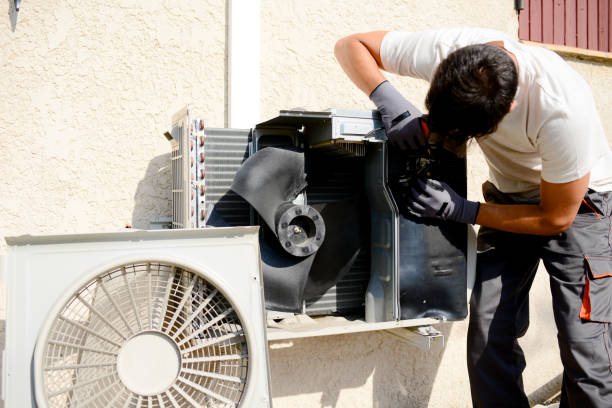
A licensed contractor has the expertise required to diagnose complex issues within an HVAC system accurately. They use specialized tools and techniques such as airflow measurements, duct inspections, and load calculations to pinpoint root causes.
Professional services may include:
– Cleaning or repairing ductwork
– Replacing defective components
– Calibrating thermostats
– Recommending upgrades for outdated systems
Investing in expert assistance not only restores comfort but also ensures optimal efficiency for years to come. Proactive maintenance by skilled professionals enhances performance while minimizing future disruptions.
By addressing poor airflow and inconsistent indoor temperatures promptly with professional help, you can maintain a comfortable living environment while extending the life of your investment in your home’s heating and cooling systems.
5 Essential Signs That Indicate You Need Help with Furnace Replacement
A furnace is a critical component of your home’s HVAC system, particularly during the colder months. Over time, furnaces can wear out, leading to inefficiencies and potential safety risks. Knowing when to replace your furnace instead of opting for repeated repairs can save you money and ensure reliable heating. Below are five essential signs that indicate you may need professional assistance with furnace replacement.
If you notice a consistent increase in your energy bills without significant changes in usage, it could be a sign that your furnace is no longer operating efficiently. As furnaces age, they lose efficiency, requiring more energy to heat your home.
- Compare current energy bills with historical data from similar seasons.
- Check if other appliances are contributing to higher utility costs.
- Consider scheduling an energy audit to identify inefficiencies.
Regular maintenance is normal for most HVAC systems, but frequent and costly repairs are a red flag.
- Keep track of repair costs over the past two years.
- Evaluate whether repair expenses exceed half the cost of a new furnace.
| Age of Furnace | Likelihood of Frequent Repairs |
| Less than 10 years | Low |
| 10-15 years | Moderate |
| Over 15 years | High |
Uneven heating across rooms or diminished airflow from vents indicates underlying problems with your current furnace system.
- Worn-out components such as blowers or heat exchangers.
- Ductwork issues that amplify inefficiencies in older systems.
Rather than addressing these recurring issues individually, replacing the furnace can improve overall airflow and comfort.
Older furnaces often produce unusual noises such as rattling, banging, or squealing during operation.
- Loose internal components.
- Damaged belts or motors.
While some noises may be repairable, persistent or severe sounds usually point to systemic failure that warrants replacement.
Most furnaces have a lifespan of around 15–20 years when properly maintained. If your unit is nearing or exceeding this age range, it’s likely less efficient and may not meet modern safety standards.
- Check the manufacturer’s label on the unit for its production date.
- Consult an HVAC contractor to assess its condition relative to newer models available on the market.
Why Professional Help Matters
When faced with signs that indicate potential furnace replacement, reaching out to an expert HVAC contractor ensures proper diagnosis and installation of a suitable unit for your home’s needs. Professional contractors can also help you navigate financing options and select energy-efficient models eligible for rebates or tax credits.
Recognizing these signs early helps prevent sudden breakdowns during colder seasons while improving overall comfort and energy savings in your home long term.
5 Essential Signs That Indicate You Need Help with Furnace Replacement
Properly maintaining your furnace is crucial for ensuring comfort and energy efficiency in your home, but there comes a time when repairs are no longer enough. Recognizing the key signs that indicate the need for a furnace replacement can save you from unexpected breakdowns and costly repairs.
If your furnace requires frequent repairs, it may be reaching the end of its lifespan. While occasional maintenance is normal, ongoing issues that demand constant attention can add up in cost over time.
A sudden or gradual increase in energy bills can indicate that your furnace is no longer operating efficiently. Older systems often work harder to maintain temperature levels, consuming more energy than they should.
– Energy bills consistently higher compared to previous winter seasons
– Fluctuations in heating performance despite regular usage
Upgrading to a modern, energy-efficient furnace can significantly reduce utility costs while improving overall heating performance.
Uneven heating throughout your home is another clear sign of a struggling furnace.
– A failing blower motor or heat exchanger
– An inability of the system to distribute heat evenly due to its age
A replacement may be necessary if inconsistent temperatures persist even after addressing potential ductwork issues or thermostat adjustments.
Unusual sounds coming from your furnace often signal internal problems that may not be repairable.
– Grinding or scraping sounds (potential blower motor damage)
– Rattling (loose components)
– Banging or popping (heat exchanger issues)
These noises frequently indicate structural wear and tear within the unit, suggesting it might be time for an upgrade before further damage occurs.
As with most appliances, furnaces have an expected lifespan—typically around 15–20 years for well-maintained systems.
| Age of Furnace | Recommendation |
|—————–|—————-|
| Under 10 Years | Maintenance & Repairs |
| 10–15 Years | Monitor Performance Closely |
| Over 15 Years | Prepare for Replacement |
Older units are more prone to inefficiency and breakdowns, making replacement a smarter choice than addressing recurring problems.
Benefits of Addressing Furnace Issues Promptly
Recognizing these signs early and consulting with an expert HVAC contractor ensures uninterrupted comfort during colder months while reducing unexpected expenses over time.
By evaluating these indicators carefully and seeking professional advice when necessary, homeowners can make informed decisions about whether it’s time for their next furnace replacement investment.
How to Choose the Best HVAC Company Orlando, FL for Exceptional Customer Experiences
Choosing the right HVAC contractor is a critical decision that directly affects the comfort, efficiency, and safety of your home. While credentials, pricing, and expertise are vital factors, customer experiences play an equally significant role in determining the reliability and quality of service. By paying close attention to reviews, testimonials, and community feedback, you can make a more informed decision.
Why Customer Experiences Matter
Customer experiences provide valuable insights into how an HVAC contractor conducts business. They reveal much more than just technical proficiency—highlighting factors such as professionalism, punctuality, communication skills, and overall satisfaction. Positive experiences often indicate that the contractor prioritizes customer needs while maintaining high standards of service.
- Trustworthiness: Contractors with consistently positive reviews are more likely to deliver dependable services.
- Transparency: Customers often share whether a contractor provided clear cost breakdowns or avoided hidden fees.
- Problem-Solving Ability: Reviews offer insight into how well contractors handle unexpected challenges or complex repairs.
Ways to Evaluate Customer Experiences
There are several methods to assess customer feedback effectively.
- Online Reviews:
Platforms such as Google Reviews, Yelp, and Angi provide detailed accounts of past customers’ experiences. Look for patterns in both positive and negative reviews to get a balanced perspective. - Testimonials on Contractor Websites:
Many reputable contractors showcase testimonials from satisfied clients on their websites. However, cross-reference these with third-party review sites for authenticity. - Social Media Feedback:
Social platforms like Facebook often have recommendations or comments from local homeowners regarding specific contractors. - Ask for Referrals:
Reach out to friends or family who have recently hired an HVAC contractor for their opinions on service quality.
Red Flags in Customer Reviews
| Red Flag | What It Could Mean |
| Frequent complaints about delays | Contractor may struggle with time management or overbooking issues |
| Hidden fees mentioned repeatedly | Transparency could be lacking during cost estimation |
| Poor follow-up service | May neglect warranties or post-service concerns |
Benefits of Prioritizing Customer Experiences
- Enhanced peace of mind knowing you’re working with trusted professionals.
- A smoother installation or repair process due to effective communication.
- Higher likelihood that warranties will be honored if issues arise later.
On the other hand, ignoring customer feedback could lead to disappointing outcomes such as substandard workmanship or unexpected costs.
Final Thoughts on the Role of Customer Feedback
When selecting an HVAC contractor for repairs or replacements, examining customer experiences is a non-negotiable step to ensure quality results. Use online reviews alongside personal referrals to create a shortlist of reliable options. By focusing on contractors who consistently put their customers first, you’ll enjoy better long-term performance from your HVAC system—and greater satisfaction overall in your investment decisions.
The Importance of Customer Experiences When Selecting an HVAC Contractor
When it comes to hiring an HVAC contractor, customer experiences play a pivotal role in guiding your decision. Choosing the right professional for your heating, ventilation, and air conditioning needs can impact the efficiency and longevity of your system. By considering customer feedback and reviews, you can make a more informed choice. Below is a detailed breakdown of why customer experiences matter when selecting an HVAC contractor.
Why Customer Experiences Should Influence Your Decision
- Insight into Contractor Reliability
Reading reviews gives you an understanding of how dependable and trustworthy the contractor is. Customers often share details about punctuality, communication, and work ethics. - Assessment of Service Quality
Reviews provide firsthand accounts of the quality of service delivered. You can learn whether the contractor thoroughly diagnosed issues or offered temporary fixes instead of long-term solutions. - Transparency on Costs
Many customers include details about pricing transparency in their reviews. Did the contractor provide accurate estimates? Were there hidden fees? These insights can help you avoid unexpected expenses. - Understanding Post-Service Support
A responsible HVAC contractor stands by their work even after completing a project. Customer reviews reveal whether contractors offer reliable warranties or timely follow-ups for any arising issues.
Key Factors to Look for in Customer Reviews
- Response Time: Was the contractor quick to respond to inquiries and service requests?
- Professionalism: Did they exhibit professionalism during installation, repairs, or consultations?
- Problem-Solving Capability: How effectively did they address complex system failures or unique household needs?
| Factor | Questions to Ask Based on Reviews |
| Experience | Does the contractor have expertise with different HVAC systems? |
| Communication | Are they clear in explaining problems and solutions? |
| Timeliness | Do they complete projects within promised timeframes? |
| Pricing | Are their rates fair compared to market standards? |
How Customer Experiences Reflect on Reputation
A company’s reputation is often built upon its commitment to delivering exceptional customer experiences. Contractors with overwhelmingly positive feedback tend to be more reliable as they have demonstrated consistent quality over time.
Red Flags to Watch For
If you notice patterns of similar complaints in reviews, such as poor communication or unprofessional behavior, this could indicate potential issues with that particular contractor:
– Repeated missed deadlines.
– Lack of proper follow-up post-service.
– Complaints regarding incomplete repairs or subpar installations.
Maximizing Your Research Efforts
- Check multiple platforms (e. g. , Google Reviews, Yelp, BBB) for consistency across ratings.
- Pay attention to how contractors respond to negative feedback; this reflects their willingness to resolve disputes.
- Seek referrals from friends or family members who’ve had positive encounters with local providers.
By prioritizing customer experiences when selecting an HVAC contractor, you not only protect your investment but also ensure that you’ll receive top-tier services tailored to your home’s specific requirements.
- What to Expect from an Orlando AC Service During and After an Air Conditioner Replacement
- Identifying the Ten Most Common Air Conditioning Problems and How an HVAC Company Orlando, FL Can Help
- Top Signs You Need Orlando AC Repair to Avoid Costly Breakdowns
- Finding the Best HVAC Company Orlando, FL for Home Comfort Systems
- How an HVAC Company Orlando, FL Can Help Fix a Hissing Air Conditioning Unit
- Understanding the Benefits of HVAC Replacement and Orlando AC Repair for Your Home
- How an HVAC Company Orlando, FL Can Keep Your Home Comfortable
- The Benefits of Hiring a Professional HVAC Company Orlando, FL for Accurate Diagnostics and Long-Term Solutions