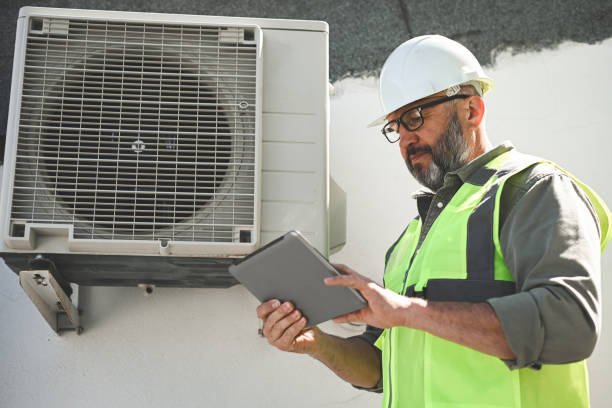
Replacing your HVAC system, including your furnace and air conditioner, can be a significant investment. However, it comes with a variety of benefits that can improve comfort, efficiency, and long-term savings. Below are the four key advantages to consider when evaluating whether it’s time for an upgrade.
1. Enhanced Energy Efficiency
- Higher SEER Ratings: New air conditioners often have higher Seasonal Energy Efficiency Ratio (SEER) ratings, which indicate better cooling efficiency.
- Advanced Heating Technologies: Furnaces today may feature variable-speed motors and two-stage heating systems that optimize energy use.
- Smart Controls: Many new systems are compatible with smart thermostats, allowing for precision temperature management.
By upgrading to an energy-efficient unit, homeowners can reduce their carbon footprint while saving money month after month.
2. Improved Indoor Comfort
- Zoned Heating and Cooling: Many newer systems allow zoning capabilities so you can control temperatures in different areas independently.
- Dehumidification Features: Advanced air conditioners help maintain ideal humidity levels within your home.
- Quieter Operation: Sound-dampening technology makes modern units much quieter during operation compared to older systems.
With these innovations, you’ll enjoy a more comfortable living environment year-round.
3. Reduced Repair Costs
| Typical Repairs on Older Systems | Average Cost (USD) |
| Blower Motor Replacement | $300 – $900 |
| Refrigerant Recharge | $150 – $400 |
| Heat Exchanger Issues | $500 – $2,000 |
By investing in a new system upfront, you avoid ongoing expenses associated with breakdowns or inefficient performance.
4. Better Air Quality
- HEPA Filters: High-efficiency particulate air (HEPA) filters trap airborne particles more effectively than standard filters.
- UV Light Technology: Some systems include ultraviolet light features that eliminate bacteria and mold from circulating air.
- Improved Ventilation Systems: Newer designs ensure better airflow throughout your home.
Upgrading your HVAC system not only keeps your home at a desirable temperature but also contributes to healthier indoor living conditions.
When Should You Replace Your HVAC System?
Here are signs that it might be time for an upgrade:
– Your system is over 10–15 years old
– You frequently face high repair costs
– Monthly utility bills have been steadily increasing despite regular maintenance
– Uneven heating or cooling occurs in different parts of your home
Taking proactive steps toward replacing an outdated furnace or air conditioner ensures long-term benefits such as greater comfort, cost savings, improved performance reliability, and better indoor health conditions.
Understanding the Difference Between an Orlando AC Service and a Full HVAC Replacement
When your heating, ventilation, and air conditioning (HVAC) system starts to show signs of wear or malfunction, you face an important decision: Should you repair the existing system or replace it entirely? Both options come with distinct advantages and disadvantages depending on factors like the age of your system, the cost of repairs, and overall energy efficiency. This guide will define the difference between HVAC repair and replacement while offering insights to help you make an informed choice.
Essential Tips for Orlando FL Air Conditioning Repair
- Cost is Minimal: If the repair costs are significantly less than replacing the unit—typically less than 50% of its value—repairing can be justified.
- Age of Equipment: Systems less than 10 years old often benefit from targeted repairs rather than full replacement since they likely still have a reasonable lifespan remaining.
- Specific Component Failures: Issues like a worn-out capacitor, clogged filter, or faulty thermostat can often be fixed quickly without impacting other parts of the system.
- Minimal Impact on Efficiency: If your current system remains energy-efficient despite minor malfunctions, repairs may resolve immediate problems without creating long-term inefficiencies.
Advantages of Choosing Repairs:
- Lower upfront investment
- Faster resolution with minimal downtime
- Retains familiarity with equipment already in place
However, frequent breakdowns or patchwork repairs over time can add up in costs, making replacement ultimately more economical.
When Replacement Becomes Necessary
- Frequent Breakdowns: If you find yourself regularly calling for service, these repeated failures could indicate that critical components are nearing their end-of-life.
- High Energy Bills: Older systems tend to use more energy compared to modern high-efficiency units. A replacement could significantly reduce monthly utility expenses through improved energy performance.
- Furnaces typically last about 15–20 years.
- Air conditioners have an average lifespan of 10–15 years. When systems exceed these benchmarks, they often become less reliable and more costly to maintain.
- Major Component Failure: If expensive core components such as compressors or heat exchangers fail on older systems, replacing may be more cost-effective than repairing.
Benefits of Replacement:
- Enhanced energy efficiency through advanced technology
- Improved indoor air quality due to modern filtration capabilities
- Long-term savings on maintenance and operational costs
- Increased home comfort with better temperature control
| Factor | Repair | Replacement |
| Cost | Lower upfront expense | Higher upfront investment |
| Lifespan Extension | Short-term solution | Long-term durability |
| Efficiency Impact | Maintains current levels | Significant improvement |
| Environmental Impact | Neutral | Reduced carbon footprint |
Factors Influencing Your Decision
- Assess your budget: Short-term affordability versus long-term savings should guide your decision-making process.
- Evaluate warranty coverage: Some repairs might be covered under warranty if the equipment is relatively new.
- Consult with professionals: An experienced HVAC contractor can inspect your system thoroughly and provide recommendations based on its condition and performance metrics.
By weighing these factors carefully, you’ll ensure that your home remains comfortable year-round while minimizing unnecessary expenses over time.
How HVAC Efficiency Impacts Your Energy Usage and Monthly Utility Bills
Understanding HVAC Efficiency
HVAC efficiency refers to the ability of your system to provide the desired heating or cooling output while using minimal energy. The performance of an HVAC unit is often measured through ratings such as:
– Seasonal Energy Efficiency Ratio (SEER): Indicates the cooling efficiency of air conditioners and heat pumps. Higher SEER ratings mean better energy performance.
– Annual Fuel Utilization Efficiency (AFUE): Represents how effectively a furnace converts fuel into usable heat. A higher AFUE percentage means greater efficiency.
– Heating Seasonal Performance Factor (HSPF): Measures the efficiency of heat pumps during heating seasons. Like SEER, higher HSPF values are desirable.
How Inefficient Systems Increase Costs
An outdated or poorly maintained HVAC system can lead to inefficiencies that directly affect your utility bills:
1. Higher Energy Consumption: Older units typically require more energy to operate due to worn-out components or outdated technology.
2. Frequent Repairs: Inefficient systems may break down more often, leading to increased repair costs in addition to higher energy expenses.
3. Inconsistent Performance: Uneven heating or cooling places additional strain on the unit, leading to wasteful energy usage.
Benefits of an Efficient HVAC System
- Reduced Utility Bills: High-efficiency systems consume less electricity or fuel, which translates into immediate savings each month.
- Environmental Impact: Efficient units minimize greenhouse gas emissions by consuming less energy.
- Improved Comfort Levels: Advanced systems maintain consistent temperatures throughout your home without overworking.
Tips for Improving HVAC Efficiency
Whether you’re upgrading your system or improving the performance of an existing one, the following steps can help maximize efficiency:
1. Schedule regular maintenance with a qualified technician for cleaning coils, replacing filters, and checking refrigerant levels. 2. Seal leaks in ductwork to prevent air loss and ensure proper airflow throughout your home. 3. Invest in programmable or smart thermostats that automatically adjust temperatures based on usage patterns. 4. Opt for ENERGY STAR-certified equipment when replacing older units for guaranteed high-efficiency standards.
| Component | Efficiency Rating | Upgrade Recommendation |
| Air Conditioner | SEER 13+ | Replace units with SEER 16+ for significant savings |
| Furnace | AFUE 80%+ | Consider upgrading to 95%+ for better fuel usage |
| Heat Pump | HSPF 8+ | Choose models with HSPF 9+ for optimal performance |
Investing in a high-efficiency HVAC system pays off over time with reduced energy costs and improved home comfort levels. Prioritizing routine maintenance and upgrades ensures long-term reliability while optimizing performance year-round.
The Best Indoor Humidity Levels to Optimize Comfort with Your HVAC System
Maintaining optimal indoor humidity levels is essential for creating a comfortable and healthy living environment. HVAC systems play a critical role in regulating humidity levels, which can directly impact your home’s air quality, energy efficiency, and overall comfort. The appropriate range of indoor humidity not only reduces the risks of health issues but also protects your home from potential damage caused by excessive dryness or moisture.
What are the Ideal Indoor Humidity Levels?
The best indoor humidity levels typically fall between 30% and 50%. This range balances comfort and health while minimizing the risk of mold growth or excessively dry air. Here’s why this range is important:
- Below 30%: Air becomes too dry, leading to discomfort such as dry skin, irritated eyes, and respiratory problems. It can also cause wood furniture or flooring to crack over time.
- Above 50%: High humidity encourages the growth of mold, mildew, and dust mites, which may lead to allergies or respiratory issues.
Monitoring and adjusting your indoor humidity with an efficient HVAC system can ensure you stay within this ideal range year-round.
How HVAC Systems Help Regulate Humidity
- Air Conditioning Units: They reduce excessive moisture from the air during humid summer months.
- Humidifiers: These devices add moisture to the air when it becomes too dry during colder seasons.
- Dehumidifiers: Standalone or integrated into your HVAC system, dehumidifiers help reduce excess moisture in high-humidity conditions.
Ensuring that these components are properly maintained will allow your HVAC system to operate efficiently and keep your home comfortable.
Signs Your Home’s Humidity Is Out of Balance
- Chapped lips
- Static electricity
- Cracks in wooden furniture or floors
- Increased frequency of cold or flu symptoms
- Condensation on windows
- Musty odors
- Mold spots on walls or ceilings
- Sticky or clammy feeling indoors
If you notice any of these signs frequently, it may be time to assess your HVAC system’s performance.
Tips for Maintaining Optimal Indoor Humidity Levels
- Schedule Regular Maintenance: Have an HVAC professional inspect your furnace and air conditioner at least once a year. This ensures they function correctly to regulate temperature and humidity.
- Invest in Add-ons: Consider installing whole-home humidifiers or dehumidifiers if needed.
- Use Exhaust Fans: Turn on exhaust fans in areas like kitchens and bathrooms where excess moisture tends to accumulate.
- Seal Air Leaks: Gaps around doors or windows allow outdoor air (and its associated moisture) into the home, making it harder for your HVAC to maintain desired humidity levels.
- Monitor with Hygrometers: Use inexpensive hygrometers to measure indoor relative humidity accurately.
Benefits of Proper Indoor Humidity Management
| Benefit | Impact |
| Enhanced Comfort | Consistent temperature regulation without feeling sticky or too dry |
| Better Health | Reduced risk of allergies, asthma triggers, colds, and nasal dryness |
| Lower Energy Costs | Well-regulated systems run more efficiently |
| Preservation of Home Materials | Prevents cracking woodwork due to dryness or mold from excess dampness |
With proper care for your home’s heating and cooling systems along with attention to maintaining ideal humidity ranges throughout the year, you’ll create a living space that feels both comfortable and healthy while reducing long-term energy costs.
Eight Essential Services Offered by an HVAC Company Orlando, FL to Help Reduce Energy Costs at Home
Reducing energy costs is a priority for many homeowners, and your HVAC system plays a pivotal role in achieving this goal. Regular maintenance and strategic upgrades can significantly improve your home’s energy efficiency while keeping utility bills minimal. Below are eight essential HVAC services that can help reduce energy costs effectively.
1. Regular Maintenance Checkups
- Improved Efficiency: Cleaning filters, coils, and other components minimizes strain on the system.
- Prolonged Lifespan: Timely detection of wear-and-tear prevents major breakdowns.
- Energy Savings: Well-maintained systems consume less electricity, lowering utility bills.
Annual or biannual tune-ups by a licensed technician are highly recommended.
2. Air Filter Replacement
- Enhanced airflow.
- Reduced energy consumption.
- Improved indoor air quality.
Most filters should be replaced every one to three months, depending on usage and environmental conditions.
3. Ductwork Inspection and Sealing
- Prevention of conditioned air escaping through leaks.
- Consistent temperatures throughout the home.
- Lower heating and cooling loads on the central system.
In addition, insulating ducts in unconditioned spaces (like basements or attics) further boosts efficiency.
4. Programmable Thermostat Installation
| Feature | Benefit |
| Pre-set temperature changes | Optimizes energy usage during off-hours |
| Remote control capabilities | Adjust settings even when not at home |
| Energy consumption tracking | Identifies areas for additional savings |
This service typically pays for itself through noticeable reductions in utility costs over time.
5. System Upgrades for Aging Units
- Higher Seasonal Energy Efficiency Ratios (SEER).
- Enhanced performance with lower energy requirements.
- Eligibility for rebates or incentives promoting eco-friendly appliances.
Investing in an ENERGY STAR-certified unit ensures maximum efficiency improvements.
6. Zoning Systems Installation
A zoning system divides your home into separate areas with individual temperature controls. This eliminates energy waste by targeting specific zones rather than heating or cooling the entire house unnecessarily—ideal for large homes with varying occupancy levels.
7. Insulation Assessment and Improvement
Actions such as sealing cracks around windows/doors and upgrading attic insulation have immediate impacts on overall energy performance.
8. Refrigerant Level Checks and Adjustments
Incorrect refrigerant levels can lead to inefficient cooling cycles, higher power consumption rates, or compressor damage over time. Technicians ensure refrigerants meet manufacturer specifications during scheduled servicing visits—a critical step often overlooked by homeowners attempting DIY fixes.
By focusing on these eight essential services provided by professional contractors specializing in residential systems upkeep/optimization ensures improved comfort while reducing routine operation expenses long-term
Why Improved Air Quality Should Be a Priority When Choosing an HVAC Contractor
When selecting an HVAC contractor, one often overlooked yet critical factor to consider is how they address indoor air quality. Beyond heating and cooling, the quality of air circulating in your home plays a vital role in your health, comfort, and energy efficiency. Here’s why prioritizing improved air quality matters and how the right contractor can make a difference.
The Importance of Indoor Air Quality (IAQ)
- Respiratory Problems: Dust, allergens, and pollutants can aggravate conditions like asthma or allergies.
- Fatigue and Discomfort: High levels of airborne contaminants may cause headaches, fatigue, and general discomfort.
- Long-Term Health Risks: Prolonged exposure to polluted indoor air could increase risks of chronic respiratory diseases or cardiovascular issues.
A skilled HVAC contractor will assess your system for factors that may compromise IAQ and recommend solutions tailored to your home’s needs.
How an HVAC Contractor Improves Air Quality
- Cleaning Ductwork
Over time, dust, pet dander, mold spores, and other particles accumulate in ductwork. Regular cleaning prevents these contaminants from recirculating throughout your home. - Upgrading Air Filters
Contractors often suggest high-efficiency particulate air (HEPA) filters or MERV-rated filters that capture smaller particles compared to standard filters. - Installing Air Purifiers
Whole-home purifiers work alongside your HVAC system to remove bacteria, viruses, odors, and chemical pollutants from the air. - Managing Humidity Levels
Proper humidity control reduces mold growth and improves comfort. Contractors may recommend installing humidifiers or dehumidifiers depending on climate conditions or seasonal needs. - Inspection for Leaks or Gaps
Poorly sealed ductwork allows outdoor pollutants to enter the system. Sealing these leaks ensures cleaner airflow indoors.
Factors to Consider When Hiring an HVAC Contractor for IAQ Improvements
| Factor | What To Look For |
| Experience with IAQ Solutions | Ask if they specialize in filtration systems, purifiers, or advanced ventilation options. |
| Certifications | Look for certifications like NATE (North American Technician Excellence) or EPA-approved training on handling refrigerants safely. |
| Customer Reviews | Check client feedback specifically mentioning IAQ improvements post-installation/maintenance work. |
| Custom Recommendations | A good contractor will conduct thorough tests before suggesting solutions like filter upgrades or purifier installations tailored to your household’s unique needs. |
The Long-Term Benefits of Improved Air Quality
- Healthier living spaces with reduced allergens and pollutants.
- Enhanced comfort due to optimal temperature and humidity balance.
- Increased energy efficiency by eliminating airflow obstructions caused by dust buildup.
- Prolonged lifespan of HVAC equipment thanks to clean components operating at peak performance levels.
By making improved air quality a priority when choosing an HVAC contractor, homeowners not only safeguard their health but also enhance their overall home environment’s efficiency and comfort for years to come.
Expert Tips on Selecting the Right HVAC Contractor for Your Home System Needs
Choosing the right HVAC contractor is crucial to ensuring that your heating, ventilation, and air conditioning system performs efficiently and reliably. With so many contractors available, it can be overwhelming to determine which one is the best fit for your home system needs. Below are expert tips that can help you make an informed decision.
1. Look for Proper Licensing and Certifications
Ensure that the HVAC contractor you hire has the appropriate licenses and certifications required in your state or region. Certified contractors demonstrate a commitment to industry standards and ongoing education.
Common certifications to look for include:
– NATE (North American Technician Excellence): This certification ensures technicians are proficient in HVAC installation and maintenance.
– EPA Certification: Required for handling refrigerants safely and in compliance with environmental regulations.
You can verify licensing details through state registries or official local government websites.
2. Review Their Experience and Expertise
An experienced contractor has likely encountered a wide range of HVAC issues and knows how to handle complex installations or repairs effectively. Ask about their years of experience, specific areas of expertise, and familiarity with your HVAC system brand or model.
For example:
| Years of Experience | Expertise Area | Familiarity with Brands | |———————|———————————|—————————————| | 10+ years | Residential & commercial systems | Lennox, Carrier, Trane | | 5-10 years | Energy-efficient upgrades | Mitsubishi Electric, Rheem |
3. Assess Customer Reviews and References
Online reviews provide valuable insight into a contractor’s professionalism, timeliness, pricing transparency, and quality of work. Look at platforms like Google Reviews, Yelp, or Better Business Bureau (BBB) ratings.
Additionally:
– Request references from previous clients.
– Ask about experiences related to similar projects (e.g., replacing old units or maintaining newer energy-efficient models).
4. Verify Warranty Options
A reliable contractor provides warranties on both labor and equipment. Before hiring:
– Confirm if there are manufacturer warranties on parts.
– Check for a labor warranty covering workmanship issues post-installation or repair.
Well-rounded warranties protect your investment while ensuring accountability.
5. Compare Written Estimates
Obtain written estimates from at least three different contractors before making a decision. The estimate should include:
– Cost breakdowns for equipment and labor.
– Specific services offered (e.g., duct cleaning or thermostat installation).
– Project timelines.
This comparison helps avoid hidden fees while ensuring fair pricing.
6. Evaluate Communication Skills
Effective communication is essential when working with an HVAC professional:
– Are they prompt in responding to calls or emails?
– Do they explain technical concepts clearly?
A trustworthy contractor takes the time to answer questions thoroughly without rushing decisions.
7. Prioritize Energy Efficiency Knowledge
An excellent HVAC contractor should understand modern energy-efficient technologies like programmable thermostats or ENERGY STAR-rated systems that reduce utility bills while improving comfort levels at home.
Questions you might ask include:
1. How do you assess my home’s energy efficiency needs?
2. Can you recommend systems designed specifically for lower energy consumption?
By focusing on these factors during your search process, you’ll find an HVAC contractor who meets both technical requirements and customer service expectations effectively.
- What to Expect from an Orlando AC Service During and After an Air Conditioner Replacement
- Identifying the Ten Most Common Air Conditioning Problems and How an HVAC Company Orlando, FL Can Help
- Top Signs You Need Orlando AC Repair to Avoid Costly Breakdowns
- Finding the Best HVAC Company Orlando, FL for Home Comfort Systems
- How an HVAC Company Orlando, FL Can Help Fix a Hissing Air Conditioning Unit
- Understanding the Benefits of HVAC Replacement and Orlando AC Repair for Your Home
- How an HVAC Company Orlando, FL Can Keep Your Home Comfortable
- The Benefits of Hiring a Professional HVAC Company Orlando, FL for Accurate Diagnostics and Long-Term Solutions